New material technologies
Heat-exchanger coatings, low-friction bearing alloys, and refrigerant-compatible elastomers that extend compressor life under high-lift Hyper-Heating duty cycles.
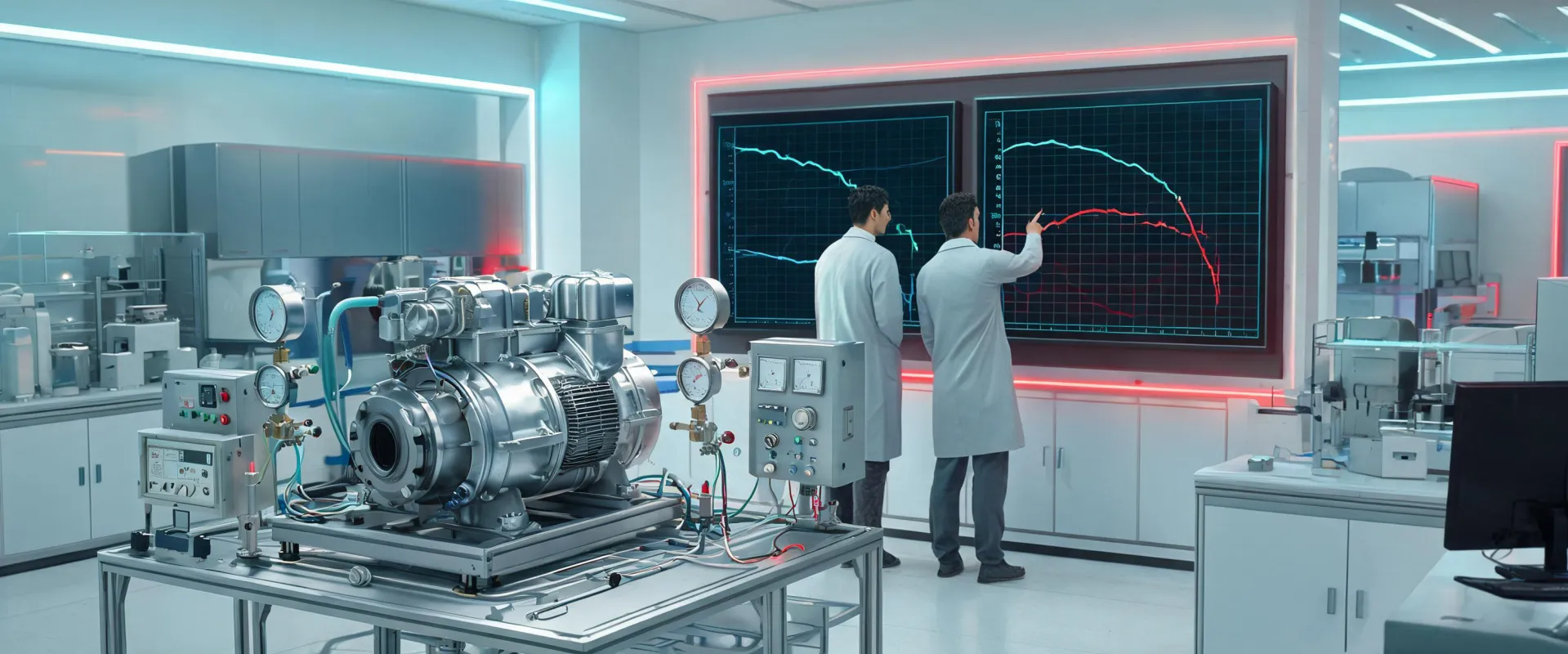
Innovation Lab
A working showcase of new climate technologies: precision-inverter compressors, Hyper-Heating H2i cold-climate algorithms, City Multi control firmware, and smart-building integrations that facility teams can audit.
We invent climate systems that hold capacity when outdoor ambients challenge conventional air-source equipment—and we publish the test curves so specification writers can verify the claim before a purchase order is signed.
That is the Innovation Lab charter: engineered for tomorrow, proven on instrumented stands today. Every pilot either earns a patent filing, a firmware revision, or a clear “not ready for field” decision.
R&D Programs
Heat-exchanger coatings, low-friction bearing alloys, and refrigerant-compatible elastomers that extend compressor life under high-lift Hyper-Heating duty cycles.

BACnet and cloud gateway pilots that expose fault codes, setback compliance, and zone-level energy trend data without custom middleware on every campus.
Active filings around defrost demand logic, oil return on tall risers, and simultaneous heating/cooling valve control for heat-recovery City Multi systems.
Lab Progress
Bars reflect internal stage-gate completion for the current fiscal program—not marketing percentages. Ask your application engineer for the underlying test reports.
When we say energy-optimized performance, we mean measured kilowatt-hours, SEER2 / HSPF2 pathways, and capacity retention—not vague slogans. Lab teams stress-test inverter platforms so buildings can electrify heating without silent comfort failures. Material research targets longer service life and fewer unplanned compressor replacements, which is how innovation reduces field waste.
Smart-building integrations similarly focus on actionable telemetry: which zones short-cycle, which outdoor units enter defrost too often, which thermostats were overridden after hours. That data loop feeds the next firmware release and the next patent claim. If a pilot cannot prove a measurable improvement in COP, sound pressure, or fault resolution time, it does not graduate to the product catalog.
Hyper-Heating algorithms still depend on envelope air permeability and correctly detailed thermal bridging at outdoor mounts; no firmware release erases infiltration loads. Acoustic packages are validated against indoor sound pressure targets, but wall openings can still affect adjacent STC rating goals if the drywall assembly is ignored. Filtration and VOC emissions pathways remain the responsibility of the indoor-air design—our controllers report temperature and fault data, not MERV substitution.
On the industry dispute between first-cost packaged rooftops and lifecycle VRF investments, Innovation Lab pilots publish diversity factors and simultaneous heating/cooling test cases so value-engineering sessions compare documented COP at design ambient rather than brochure peaks. We will not claim a universal winner; we will show the instrumented curve for your design temperature.
Lab Credentials



Bring your design temperatures, zoning intent, and BMS constraints. We will walk through relevant test curves, patent-backed features, and pilot eligibility for smart-building integrations.